Step-by-Step Meal Prep Tutorials to Help You Shed Pounds Fast: Your Ultimate Guide
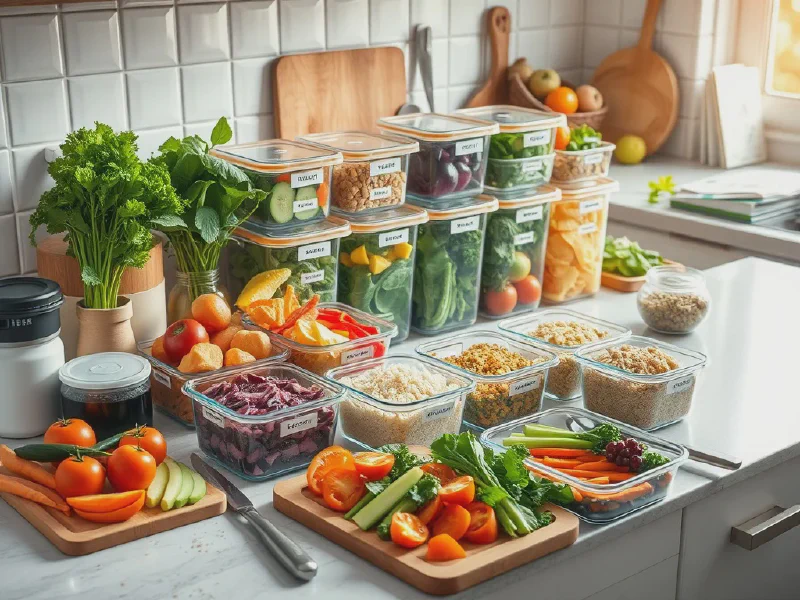
Step-by-Step Meal Prep Tutorials to Help You Shed Pounds Fast: Your Ultimate Guide
Understanding Meal Prep: The Basics of Weight Loss
What is Meal Prep?
Meal prep, short for meal preparation, involves planning and preparing meals in advance, allowing individuals to have healthy, ready-to-eat options on hand. This practice has gained popularity among those looking to lose weight, as it streamlines the process of maintaining a balanced diet. By dedicating a few hours each week to meal planning and cooking, you can significantly reduce the temptation to choose unhealthy options when you're busy or tired.
Benefits of Meal Prep for Weight Loss
One of the most significant benefits of meal prep is the potential for weight loss. When you prepare your meals in advance, you can make conscious choices about ingredients and portion sizes, aligning them with your nutrition goals. For example, a study published in the American Journal of Preventive Medicine found that individuals who engaged in meal prep experienced improved dietary quality and reduced calorie intake.
Mastering healthy eating becomes easier with our comprehensive Step-by-Step Meal Prep Tutorials, simplifying your journey to wellness.
- Time-saving: Meal prep allows you to cook in batches, which means less time spent in the kitchen during the week. You can whip up easy recipes in bulk, such as grilled chicken and quinoa, and store them in prep containers for quick access.
- Cost-effective: By planning your meals, you can buy ingredients in bulk, reducing food waste and saving money. This financial benefit can be particularly appealing for busy professionals.
- Healthy choices: Preparing your meals enables you to incorporate healthy recipes that align with your dietary needs, helping you avoid the pitfalls of fast food and processed snacks.
How Meal Prep Affects Portion Control
Effective portion control is crucial for weight loss, and meal prep plays a pivotal role in this aspect. By pre-portioning your meals, you can eliminate the guesswork associated with serving sizes. For instance, using measuring cups or a food scale when preparing meals can ensure that you are consuming appropriate portions, which is vital for managing calorie intake.
Incorporating portion control through meal prep not only aids in weight loss but also promotes a healthier relationship with food. You can create balanced meals that include protein, carbohydrates, and fats, which helps regulate hunger and keeps you satisfied longer. This strategic approach to meal planning encourages mindfulness about what you eat, leading to more sustainable dietary habits.
Essential Tools for Effective Meal Prep
Must-Have Kitchen Tools
To embark on a successful meal prep journey, equipping your kitchen with the right tools is crucial. Here are some essential items that can significantly enhance your meal prep effectiveness:
- Sharp Chef's Knife: A high-quality chef's knife, such as the Wüsthof Classic 8-inch Chef's Knife, ensures precision when chopping vegetables, proteins, and herbs, leading to more efficient prep time.
- Cutting Board: Investing in a sturdy cutting board, like the John Boos Maple Wood Cutting Board, provides a safe and spacious surface for your chopping needs, making it easier to keep your workspace organized.
- Food Processor: A versatile tool like the Cuisinart 14-Cup Food Processor can help you quickly chop, slice, and puree ingredients, streamlining the process of creating healthy recipes.
- Measuring Cups and Spoons: Accurate portion control is essential for effective meal planning. Tools like the Pyrex 3-Piece Measuring Cup Set ensure you can measure ingredients precisely, aiding in portion control and diet tips for weight loss.
Meal Prep Containers
Selecting the right meal prep containers is vital for maintaining the freshness and quality of your meals. When choosing containers, consider the following:
- Material: Opt for BPA-free plastic or glass containers, like the Glasslock 18-Piece Container Set, which are microwave and dishwasher safe, ensuring convenience and durability.
- Size and Compartments: Look for containers that offer various sizes and compartments to accommodate different meals and portion sizes, making it easier to organize your meal prep.
- Sealing Mechanism: Choose containers with airtight seals to prevent spills and keep your food fresh longer, crucial for sticking to your meal prep schedule.
Preparing Your Kitchen for Meal Prep
Organizing your kitchen is a key step to streamline your meal prepping process. Here are some strategies to optimize your space:
- Declutter Countertops: Clear your kitchen surfaces to create a dedicated meal prep area. This will help you focus and work efficiently, reducing distractions during your prep time.
- Organize Ingredients: Store your pantry staples and spices in labeled containers for easy access. This organization can save time when searching for ingredients while preparing healthy recipes.
- Plan Your Prep Days: Designate specific days for meal prep and keep your kitchen stocked with fresh produce and proteins. This practice not only enhances your meal planning but also supports your weight loss goals by ensuring you have healthy options readily available.
Step-by-Step Meal Prep Tutorials for Beginners
Simple Meal Prep Recipes
Starting your meal prep journey can feel overwhelming, but simple recipes can make the process enjoyable and effective for weight loss. One beginner-friendly recipe is a chicken and vegetable stir-fry. To prepare this, you’ll need:
- 2 chicken breasts, diced
- 1 bell pepper, sliced
- 1 cup broccoli florets
- 2 tablespoons soy sauce
- 1 tablespoon olive oil
In a large skillet, heat the olive oil, add the chicken, and cook until golden brown. Then, toss in the vegetables and soy sauce, stirring until the veggies are tender. Divide the stir-fry into prep containers for easy portion control throughout the week. This recipe is not only nutritious but also versatile, allowing you to switch up the vegetables based on your preference.
How to Plan Your Weekly Meals
Effective meal planning is essential for achieving your weight loss goals. Start by selecting a theme for each day of the week, such as Meatless Monday or Taco Tuesday. This method simplifies the planning process and helps ensure a variety of nutrients in your diet. For instance, if you choose to focus on lean proteins, you might plan:
- Monday: Grilled salmon with quinoa and asparagus
- Tuesday: Turkey and black bean chili
- Wednesday: Lentil soup with spinach
Use a digital tool or a simple notebook to jot down your meals. This not only helps you stay organized but also makes grocery shopping more efficient.
Tips for Grocery Shopping and Ingredient Prep
When grocery shopping for your meal prep, stick to a list to avoid impulse buys that can derail your healthy eating plan. Focus on whole foods like fruits, vegetables, lean proteins, and whole grains. Stores like Trader Joe’s and Whole Foods offer a variety of healthy options that are great for meal prep.
Before you start cooking, spend some time washing and chopping your ingredients. Prepping items like carrots, bell peppers, and broccoli in advance saves time during the week. Store them in clear containers in the fridge to keep them visible and accessible, which encourages healthier snacking. Remember, effective meal prep is not just about cooking; it’s also about organization and accessibility!
Advanced Meal Prep Strategies for Busy Lifestyles
Batch Cooking Techniques
For individuals with demanding schedules, batch cooking can be a game-changer in achieving weight loss goals. This technique involves preparing large quantities of food at once, allowing you to have healthy meals ready to go throughout the week. For instance, a popular method is to cook a week’s worth of grains, such as quinoa or brown rice, which can serve as a versatile base for various dishes. Pairing these grains with roasted vegetables and a protein source like grilled chicken or chickpeas can create balanced meals that are both nutritious and satisfying.
Freezing and Storing Meal Prep
Effective food storage is crucial for maintaining the freshness and nutritional value of your meals. Utilizing high-quality prep containers is essential; consider brands like Glasslock or Pyrex, which are both microwave and dishwasher safe. When freezing meals, portion control becomes vital—use individual containers to make it easy to grab a meal on busy days. Additionally, labeling containers with the date and contents can help you keep track of what you have on hand, reducing food waste and ensuring you stick to your healthy eating plan.
Quick Meal Prep Ideas for the Week
Even with a packed schedule, you can implement quick meal prep ideas that align with your weight loss goals. For example, preparing overnight oats is a simple, no-cook option that can be customized with various fruits, nuts, and seeds to enhance flavor and nutrition. Another easy recipe involves making a large batch of soup, such as a hearty lentil or vegetable soup, that can be stored in the refrigerator or freezer for quick access. These meal prep strategies not only save time but also ensure that you have healthy options available, making it easier to stay on track with your diet tips and fitness objectives.
Common Mistakes to Avoid in Meal Prep
Overplanning Your Meals
One of the most common mistakes individuals make when starting their meal prep journey is overplanning their meals. While having a structured plan is essential for weight loss, being too rigid can lead to frustration and burnout. For instance, if you prepare a week's worth of meals on Sunday, but by Wednesday you no longer feel like eating the same dish, you risk wasting food and undermining your motivation.
To avoid this pitfall, consider creating a flexible meal plan. Instead of specifying exact meals for each day, outline a few healthy recipes that can be mixed and matched. For example, prepare grilled chicken, quinoa, and roasted vegetables, and then use these components in various combinations throughout the week. This approach allows for variety while still adhering to your portion control and nutrition goals.
Ignoring Nutritional Balance
Another mistake in meal prep is neglecting nutritional balance. Many individuals focus solely on calorie count, forgetting that a well-rounded diet consists of proteins, carbohydrates, and healthy fats. For instance, a popular meal prep option is brown rice and chicken, but without incorporating vegetables or healthy fats, you miss out on essential nutrients. This can lead to energy crashes and cravings, making it harder to stick to your diet.
To ensure your meals are nutritionally balanced, aim to fill half your prep containers with vegetables, one quarter with lean proteins (like turkey or tofu), and the remaining quarter with whole grains or healthy fats (such as avocado or nuts). This balance not only supports weight loss but also enhances your overall health and well-being.
Not Staying Flexible
Flexibility is key in meal prep, especially for busy professionals or beginners who may face unexpected changes in their schedules. A rigid meal plan can lead to stress and derail your weight loss efforts. For example, if you’ve prepped a week’s worth of meals but end up dining out due to a work commitment, you might feel guilty or overwhelmed by the deviation from your plan.
To maintain flexibility, consider preparing a few easy recipes in bulk that can be frozen or quickly assembled. For instance, make a large batch of chili or vegetable soup that can be portioned out and reheated as needed. This way, you have healthy options on hand that can accommodate any last-minute changes in your routine, allowing you to stay committed to your fitness and nutrition goals.
Success Stories: Transformations Through Meal Prep
Real-Life Testimonials
Many individuals have transformed their bodies and lives through meal prep, leveraging its power to facilitate weight loss and promote healthier eating habits. For example, Sarah Johnson, a busy marketing executive, lost 30 pounds in six months by implementing a structured meal prep routine. She began by dedicating Sunday afternoons to planning and preparing her meals for the week, which not only saved her time but also helped her resist unhealthy temptations. Sarah emphasizes the importance of portion control and utilizing prep containers to manage her serving sizes effectively. She states, "Meal prep has not only changed my diet but has also improved my overall productivity during the week."
Before and After Transformations
Visual transformations often speak louder than words. Take the case of Tom Reed, who documented his journey on social media. Over the course of a year, Tom shared his meals and workouts, showcasing the positive impact of meal planning on his weight loss journey. In his before-and-after photos, Tom went from 220 pounds to a fit 180 pounds. His success hinged on finding healthy recipes that catered to his taste and nutritional needs, which he found through various meal prep blogs and cookbooks. He highlights that sticking to easy recipes not only made cooking enjoyable but also sustainable in the long run.
Lessons Learned from Others
Success stories often provide valuable insights. Many individuals, like Jessica Lee, emphasize the significance of consistency and flexibility. Jessica, who lost 25 pounds, shares that while meal prep is essential, it's equally important to allow room for spontaneity. "I learned that it’s okay to swap out a meal or indulge occasionally," she explains. This mindset helped her maintain a balanced approach to nutrition without feeling deprived. Additionally, fellow meal preppers often recommend using a variety of diet tips to keep meals interesting and aligned with their fitness goals. By learning from others' experiences, individuals can navigate their own weight loss journeys with greater confidence and success.
Frequently Asked Questions
How do I start meal prepping?
Begin by choosing a few simple recipes, gathering necessary tools, and planning your meals for the week.
What are some good meal prep ideas for weight loss?
Focus on lean proteins, whole grains, and plenty of vegetables. Ideas include grilled chicken with quinoa and roasted vegetables.
How can meal prep help with portion control?
Meal prep allows you to pre-portion meals, preventing overeating by providing controlled servings.
How long does meal prep take?
Meal prep time varies, but typically ranges from 2 to 4 hours per week, depending on the number of meals planned.
Can meal prep help with healthy eating?
Yes, meal prep promotes healthy eating by making nutritious meals readily available, reducing reliance on fast food.